DFP Joins Industry Roundtable on Financing Electric Trucks and Buses in Kenya
Addressing the Financing Gap in Commercial Electric Transport
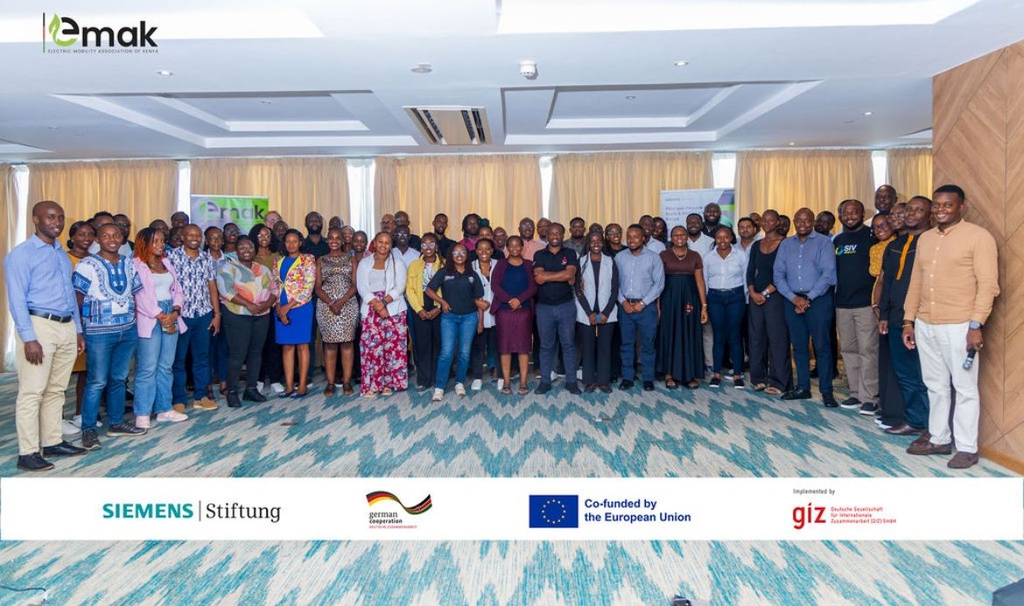
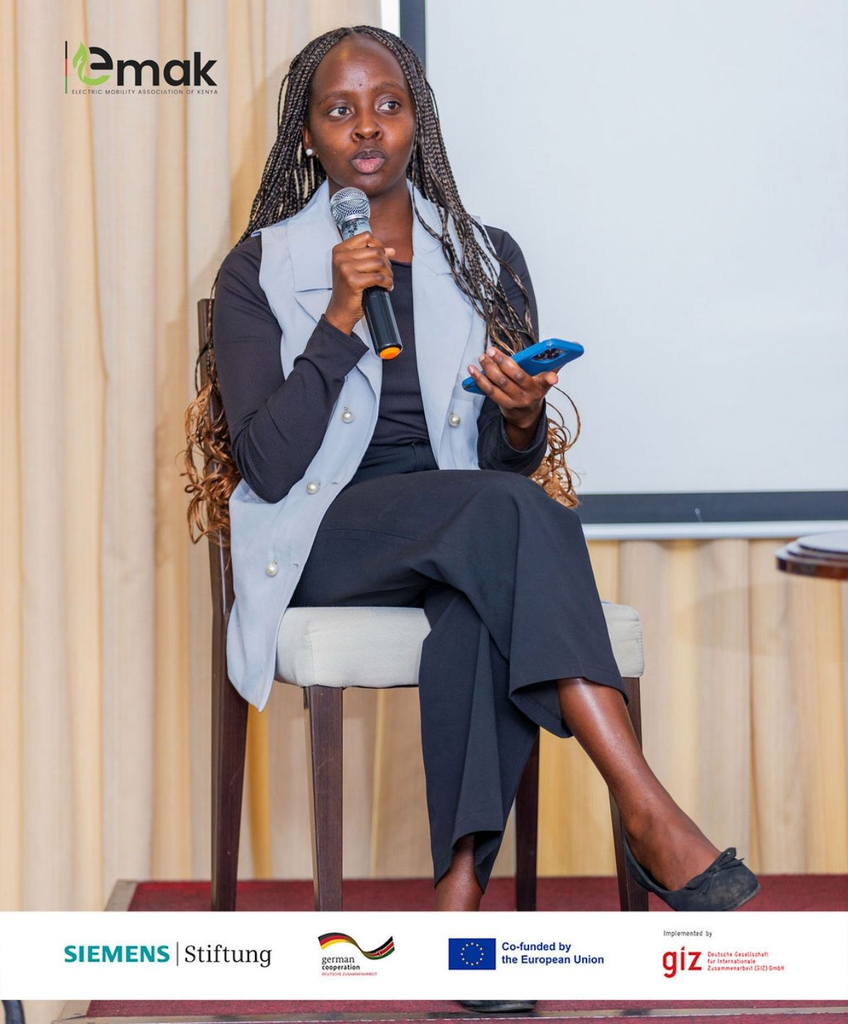
Double Feather Partners participated in a recent industry roundtable on Financing Medium- and Heavy-Duty Vehicles, represented by Mercy Kaponda. Convened by the Electric Mobility Association of Kenya (EMAK), the discussion brought together stakeholders from across the transport and electric mobility ecosystem to explore how financing can be unlocked for electric trucks and buses in Kenya.
While electric motorcycles and passenger vehicles have attracted growing attention across African markets, the electrification of commercial transport presents a different set of challenges. Trucks and buses typically require larger upfront investments, operate under specific utilization and route requirements, and depend on reliable infrastructure to maintain service continuity. Developing financing solutions for these vehicles therefore requires a close understanding of both the technology and the economics of commercial fleet operations.
Why Financing Electric Commercial Fleets Is Different
The roundtable highlighted several barriers that continue to constrain the adoption of electric medium- and heavy-duty vehicles. High vehicle acquisition costs remain a significant hurdle, particularly for fleet operators working with limited access to long-term financing. Battery performance, replacement costs and uncertainty around residual values also create challenges for lenders assessing the risks associated with these assets.
Another important consideration is the predictability of operating revenues. For financing to be sustainable, fleet operators need sufficient confidence in vehicle utilization, customer demand and operating costs to generate the cash flows required for loan repayment. Uncertainty around these factors can make financial institutions hesitant to extend credit, even where the long-term commercial case for electrification may be attractive.
These challenges demonstrate why financing electric commercial vehicles cannot simply replicate conventional vehicle lending structures. Financial products need to reflect the operating characteristics of electric fleets, the lifecycle of their assets and the revenue models through which operators earn returns.
From Vehicle Financing to Investment-Ready Fleet Projects
For DFP, one of the key takeaways from the discussion is that scaling electric commercial transport requires more than access to capital. It requires the development of investment-ready projects with clear operating models, credible revenue assumptions and practical arrangements for managing and sharing risk.
This means examining the full economics of a fleet before financing is committed. Vehicle selection, route planning, charging requirements, maintenance arrangements and customer contracts all influence the financial performance of an electric transport operation. When these elements are properly structured, lenders and investors can better assess the project’s ability to generate predictable returns.
Collaboration is equally important. Fleet operators understand the operational requirements of their businesses, vehicle providers bring technical and product expertise, while financial institutions assess capital requirements and risk. Bringing these stakeholders together early in the project development process can help address uncertainties and create financing structures that better reflect commercial realities.
Building the Conditions for Scale in Kenya
Kenya’s electric mobility sector has continued to develop across different vehicle categories, creating opportunities to extend electrification beyond two- and three-wheelers into commercial transport. However, the transition of trucks and buses will require investment models that account for their distinct operational and financial requirements.
The participation of stakeholders including Rentco Transport Equipment Rentals, Scania Group, Verst Carbon, Ebikes Africa and the Africa E-Mobility Alliance reflects the range of capabilities needed to advance this market. Continued dialogue between operators, financiers, vehicle providers and industry organisations will be important in identifying viable projects and building confidence among potential investors.
The next step is to move from identifying financing barriers towards developing concrete projects that can demonstrate commercial viability and attract local capital. Lessons from Kenya could also provide useful insights for other African markets facing similar challenges in financing the transition to electric commercial transport.
DFP thanks the Electric Mobility Association of Kenya, the panellists, including Msingo John, Bob Wesonga and Anthony Ngatiari, and all participants for contributing to the discussion. DFP looks forward to supporting further collaboration to advance commercially sustainable electric fleets in Kenya and across Africa.