
DFP Joins Africa EV Freight Forum to Advance Zero-Emission Freight in East Africa
Addressing the Challenges of Freight Electrification
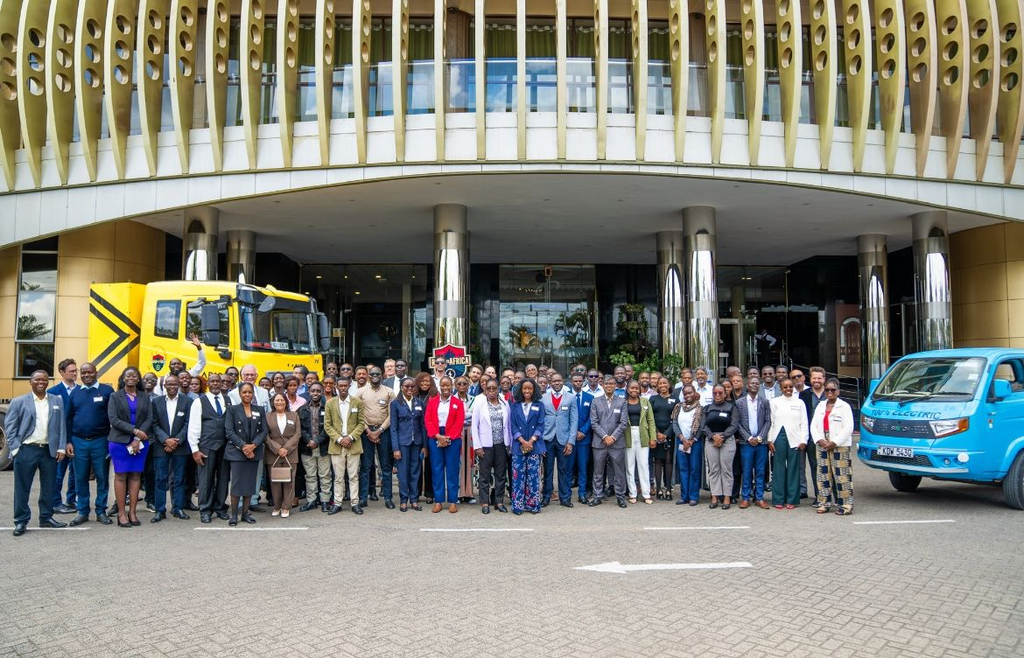
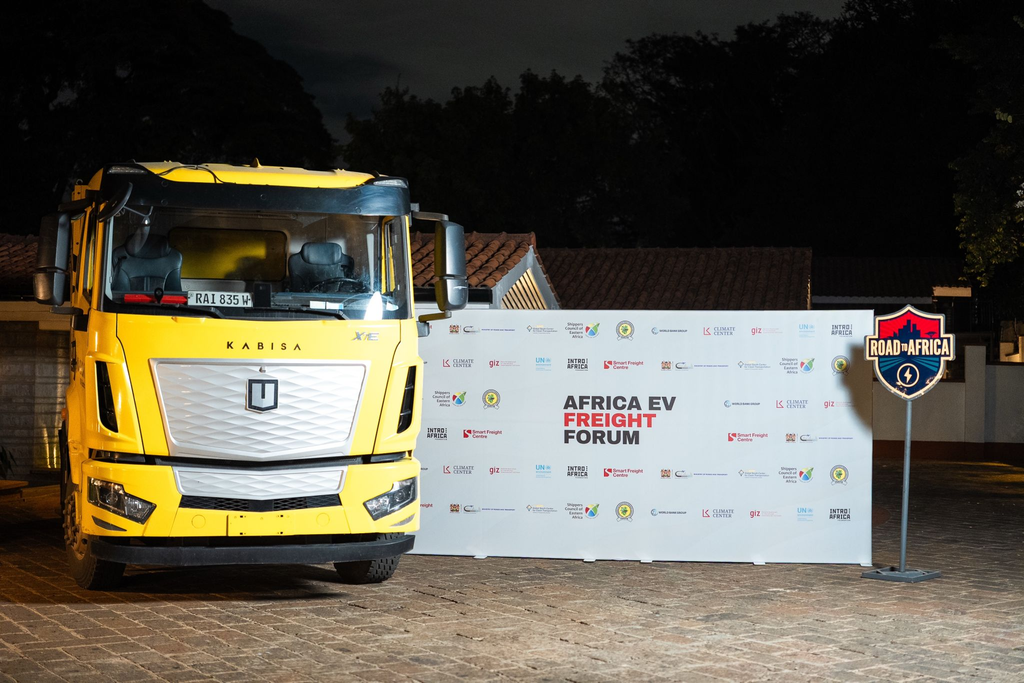
Double Feather Partners participated in the Africa EV Freight Forum, held in Nairobi on 22 and 23 September, represented by Albert Mbithi. Convened by Smart Freight Centre and Intro Africa, the forum brought together industry leaders, policymakers and financiers to examine how zero-emission freight solutions can be developed and deployed across East Africa.
While electric mobility discussions often focus on passenger transport and motorcycles, freight electrification represents another important part of the transition. Commercial vehicles play a central role in regional supply chains, trade and distribution, but transitioning these fleets requires careful consideration of vehicle economics, operating conditions, infrastructure availability and financing.
The forum addressed these challenges through a combination of industry discussions and practical training, bringing together perspectives from fleet operators, financial institutions and policymakers.
From Fleet Electrification to Commercial Viability
A key theme throughout the programme was the need to align three elements: commercial viability, infrastructure readiness and supportive policy. Fleet operators need to understand the operational and financial implications of transitioning to electric vehicles, while lenders must assess the risks and financing requirements associated with new vehicle technologies and business models.
Infrastructure is equally important. Charging availability, grid capacity, vehicle range and fleet operating schedules all influence whether electric freight vehicles can be integrated into existing logistics operations. Without suitable infrastructure and reliable operating systems, the economic case for fleet electrification can be difficult to establish.
Policy also plays a significant role in shaping adoption. Clear and consistent frameworks can provide businesses and investors with greater confidence to commit capital, while coordination between public and private stakeholders can help address infrastructure and regulatory constraints.
Why East Africa’s Freight Sector Matters
East Africa’s freight and logistics networks connect producers, manufacturers, distributors and consumers across domestic and regional markets. As demand for transport and distribution services grows, the sector will face increasing pressure to improve efficiency while addressing its environmental impact.
Electrifying commercial fleets could contribute to lower-emission logistics, but adoption will depend on solutions that work within the operational realities of the region. Different vehicle categories, routes, payload requirements and fleet utilization patterns will require different approaches to technology and financing.
This makes practical engagement with fleet operators particularly important. Understanding how vehicles are used, where they operate and how businesses generate revenue is essential to developing investment models that can support the transition.
DFP’s Role in Connecting Mobility Businesses with Capital
The discussions at the forum connect directly with DFP’s work in mobility investment and corporate innovation. DFP supports businesses in validating their commercial models, building strategic partnerships and accessing capital to support growth.
For emerging mobility companies, this often means bridging the gap between a promising technology and a business model that can attract investment and operate sustainably. Engagement between entrepreneurs, corporate partners, financiers and policymakers can help identify barriers early and develop more practical pathways to deployment.
As zero-emission freight develops across East Africa, DFP sees value in supporting this broader ecosystem, particularly where investment and collaboration can help move solutions from pilot projects towards commercially sustainable operations.
DFP thanks Smart Freight Centre and Intro Africa for convening the forum and creating a platform for practical learning and collaboration.