
Africa Mobility Watch | Chery × Nissan: A New Chapter for Automotive Manufacturing in South Africa
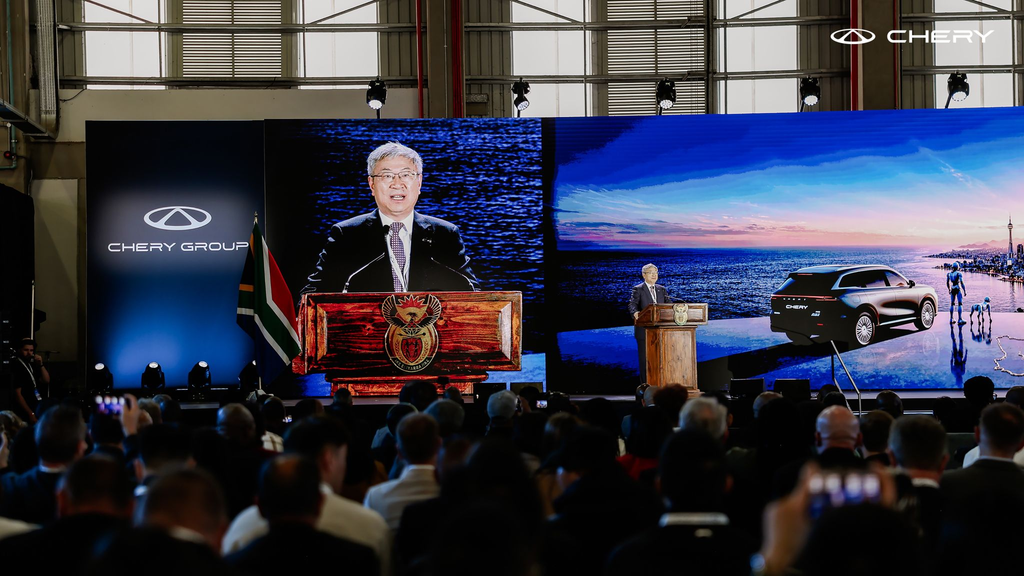
Chery Group SA has completed its acquisition of Nissan South Africa’s manufacturing assets in Rosslyn, Pretoria, including the nearby stamping plant. Nissan will remain active in South Africa through vehicle sales, distribution and after-sales services, while Chery takes over the manufacturing platform.
The transaction marks a significant development for South Africa’s automotive industry and comes at a time when global manufacturers are reassessing production footprints, supply chains and opportunities in emerging markets.
Following planned facility upgrades, Chery expects production at the Rosslyn site to begin in mid-2027, with the first phase targeting annual production capacity of approximately 50,000 vehicles.
Chery has announced plans to retain 692 employees at the facility, while projecting the creation of nearly 3,000 direct and indirect jobs as production and the surrounding supplier ecosystem develop. The company is also targeting 40% local vehicle content, highlighting an ambition to build beyond an assembly operation and increase the contribution of local suppliers to the manufacturing value chain.
Strengthening South Africa’s Automotive Base
The Rosslyn transaction is significant not simply because of the change in ownership, but because it represents a renewed commitment to local vehicle production and industrial capacity.
South Africa has one of Africa’s most established automotive manufacturing ecosystems, with a network of vehicle manufacturers, component suppliers, logistics providers, engineering companies and skilled workers. Maintaining and expanding this industrial base is critical to the country’s ability to compete for future automotive investment.
Chery’s plans could create opportunities for this existing ecosystem to deepen further. Increased production volumes can support demand for locally manufactured components, logistics and warehousing, engineering and technical services, vehicle distribution and other supporting businesses.
The emphasis on local content is particularly important. A higher share of locally sourced components can strengthen domestic supply chains, retain more economic value within the country and provide opportunities for South African businesses to move further up the automotive value chain.
At the same time, the scale of the planned production provides a potential platform for regional exports, reinforcing South Africa’s position as a manufacturing hub serving markets beyond its borders.
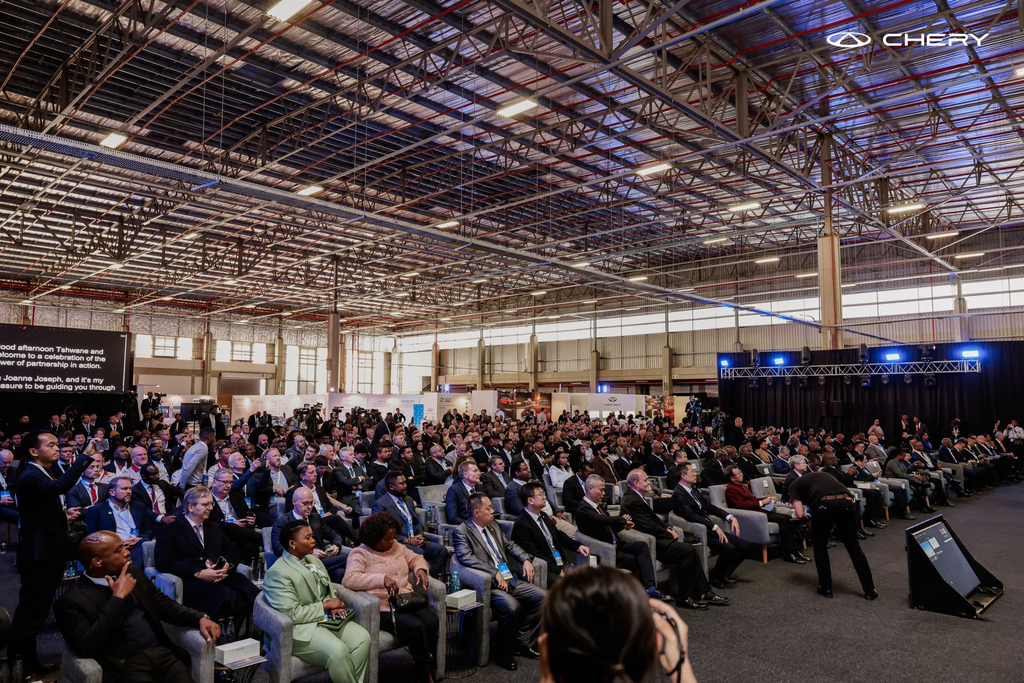
What It Means for Africa’s Mobility Ecosystem
The transaction also illustrates how automotive competitiveness in Africa is evolving.
Historically, discussions around automotive markets have often focused on vehicle sales, market size and consumer demand. Increasingly, however, competitiveness is being determined by a broader set of factors: local manufacturing capacity, supplier integration, skills development, infrastructure, industrial policy and access to regional markets.
This shift is particularly relevant as the automotive industry undergoes a major technological transformation. Manufacturers and suppliers are navigating the transition towards electric vehicles, connected technologies and new manufacturing processes while simultaneously seeking efficient production locations and resilient supply chains.
For African markets, this creates both challenges and opportunities. Countries that can combine strong industrial capabilities with supportive policy frameworks, skilled workforces and access to regional markets may be better positioned to attract the next generation of automotive investment.
DFP Perspective
At Double Feather Partners, we see the Chery–Nissan transaction as a notable signal for Africa’s automotive ecosystem.
The acquisition demonstrates the continued strategic value of established manufacturing infrastructure in Africa and highlights the opportunity to build on existing industrial capabilities rather than developing entirely new platforms.
The potential benefits extend beyond vehicle production itself. Increased manufacturing activity can create opportunities across the wider mobility ecosystem, from component manufacturing and logistics to engineering, technology, fleet services and other businesses supporting the automotive value chain.
The focus on local content and employment is also important. If successfully implemented, the investment could contribute to deeper supplier networks, greater skills development and stronger industrial capabilities in South Africa.
As automotive manufacturers continue to assess their African strategies, transactions such as this will be important indicators of where production capacity, capital and supply-chain investment are moving.
Africa’s automotive opportunity is increasingly about building the ecosystem around the vehicle, not simply selling the vehicle itself. The Chery–Nissan transaction is a timely example of this broader shift.