
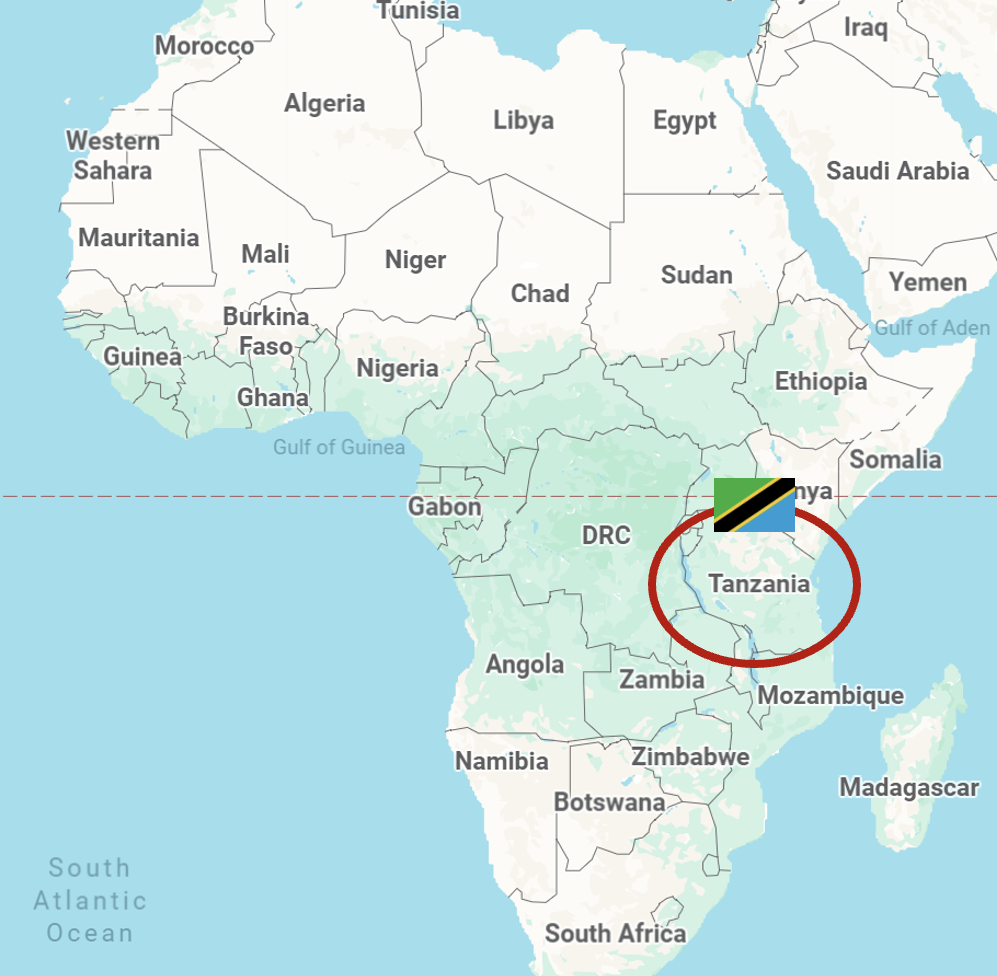
Tanzania Bans Foreign Participation in 15 Sectors Including Mobile Money: Strengthens Localization Policy (August 15, 2025)
1. Introduction
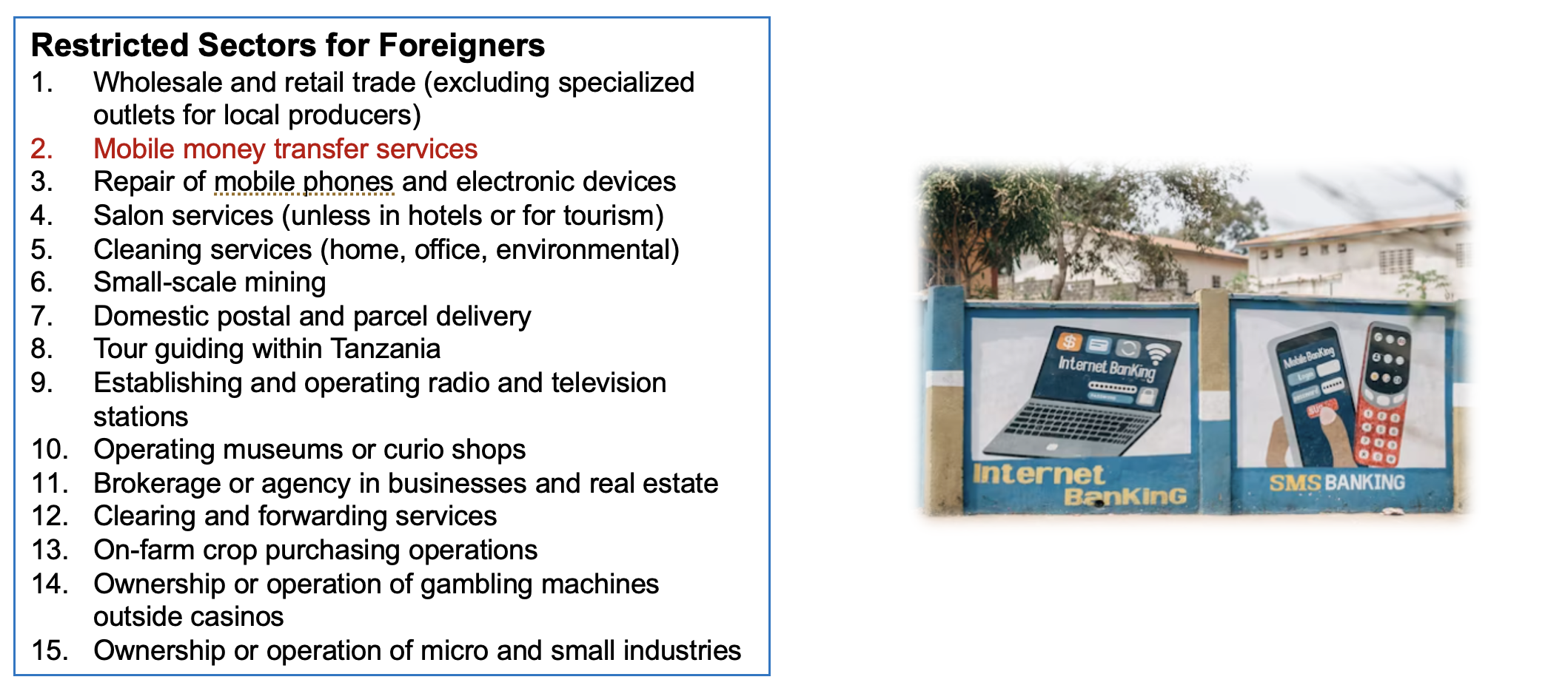
On July 28, 2025, the Government of Tanzania issued Government Notice No. 487A, prohibiting the issuance and renewal of business licenses for foreigners in 15 industries (see the list below). Foreigners who violate the directive may face a fine of up to 10 million Tanzanian shillings (approximately USD 3,900), imprisonment for up to six months, and possible cancellation of their visa or residence permit.
2. Background
Of particular note for the startup sector is the inclusion of “mobile money transfer services” among the prohibited industries. The background to this directive includes growing local backlash against the expansion of small-scale business activities by Chinese nationals, and it is believed that the move was intended to impose restrictions on foreign small-scale business activities ahead of the presidential and general elections scheduled for October. However, by including the term “mobile money transfer services” in the scope of regulation, the impact could extend beyond kiosks engaged in money transfer services to fintech companies involving foreign capital.
3. Potential Impact of Mobile Money Regulation
Tanzania’s mobile money service market is dominated by three players—Vodacom (M-Pesa, foreign-owned), Yas (foreign + domestic ownership), and Airtel (foreign + government ownership)—which together hold about 90% of market share. At present, the details of the regulation remain unclear, and the actual impact is uncertain. However, according to local reports, depending on future developments, significant consequences may arise, such as the need to merge with domestic operators. Tanzania also has a history of its former President Magufuli (in office 2015–21) adopting a hostile stance toward foreign capital, and the introduction of regulations such as this one may evoke memories of the past, raising concerns that it could dampen investment appetite from foreign VCs and similar investors.
4. Key Lessons for Investors in African Markets
Here are the lessons for Japanese companies investing in and expanding into Africa:
- Reaffirm that the financial sector is a regulated industry.
- Incorporate political and regulatory trends, such as nationalism and populism, into pre-investment risk assessments.
- Consider involving local companies when necessary (design governance structures to respond to regulations, such as shareholding ratios, board composition, and name registration).
- Involve government-affiliated Development Finance Institutions (DFIs) from major countries as investors to secure channels for policy dialogue.
- Diversify portfolios to spread risk.
Contact
Double Feather Partners Inc. – Insights & Strategic Planning Department
Satoshi Nakagawa, Albert Mbithi, Emma Kiserema <insight@doublefeather.com>
Disclaimer
This document has been prepared by Double Feather Partners Inc. solely for informational purposes and does not constitute an offer, solicitation, or recommendation to purchase, sell, or hold any specific securities, financial products, or investment strategies. The opinions, forecasts, and views expressed herein reflect the judgment of the author(s) at the time of publication and are subject to change without notice. While efforts have been made to ensure the accuracy and completeness of the information contained in this report, no guarantee is provided. Readers are advised to make investment decisions at their own discretion and responsibility.